A computer virus is a type of malicious software program (“malware”) that, when executed, replicates itself by modifying other computer programs and inserting its own code. Infected computer programs can include, as well, data files, or the “boot” sector of the hard drive. When this replication succeeds, the affected areas are then said to be “infected” with a computer virus. A computer virus, malware, Trojan penetrate your system badly when you connect to internet browsing. Nowadays most of the sites spread virus malware and Trojan while downloading files. These things may cause your system slow and it silently spread through the LAN from one system to another and damage the entire network. And moreover, it corrupts your valuable data and your operating system. The easy way to identify and remove the virus from your computer is to install anti-virus and scan your computer for any viruses/Trojan/Malware. Antivirus will give us the option to either quarantine or delete them. Most of the antivirus is not free you have to pay money to buy full antivirus. In this article, I am going to show how to remove the virus using the command prompt. This is very useful to remove the virus from the pen drive and external HDD. The command prompt is a very powerful utility available in all windows based systems. Cmd has access to reconstruct all windows system files by using various attributes. This article will guide you to remove the computer virus Using Command Prompt.
Remove computer virus Using Command Prompt:
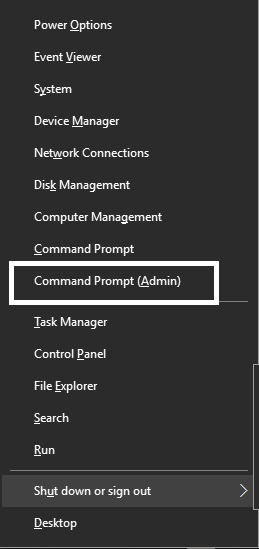
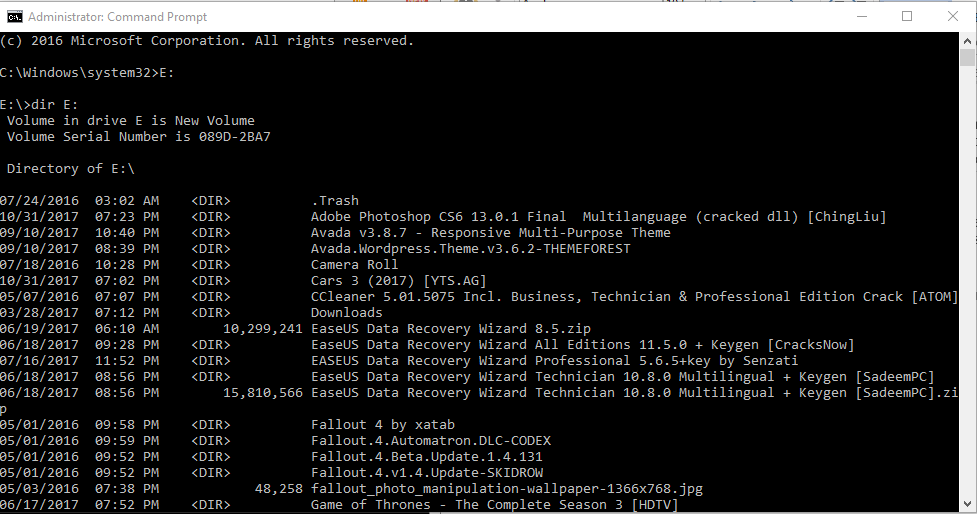
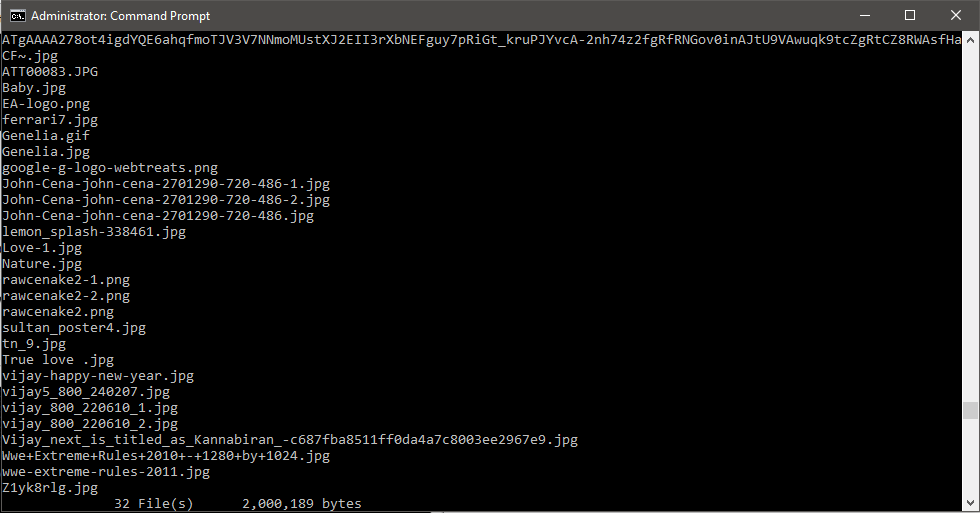
Click on Start and type cmd.or open windows + X and click on command prompt (Admin). The command prompt should be in admin rights. Select the destination Drive in which you want to remove the antivirus For example, if you want to remove the virus from the USB drive select drive like E: And Enter it now the command path will change to that Drive E: Now Type dir E: This command will show the entire directory of the E drive Type the following command. This command shows all the hidden and system files from the drive. dir E: attrib -s -h /s /d *.* In this window, you can notice unusual files.exe and extensions like inf, autorun. rename filename.extension new filename. Usage > C://rename autorun.inf (new filename) If you’re not satisfied with renaming the file delete the file using the following command.
del autorun.inf del :”yourfilename” This commands will delete the file from the Drive. I think this post may helpful for you.
Read Also: